
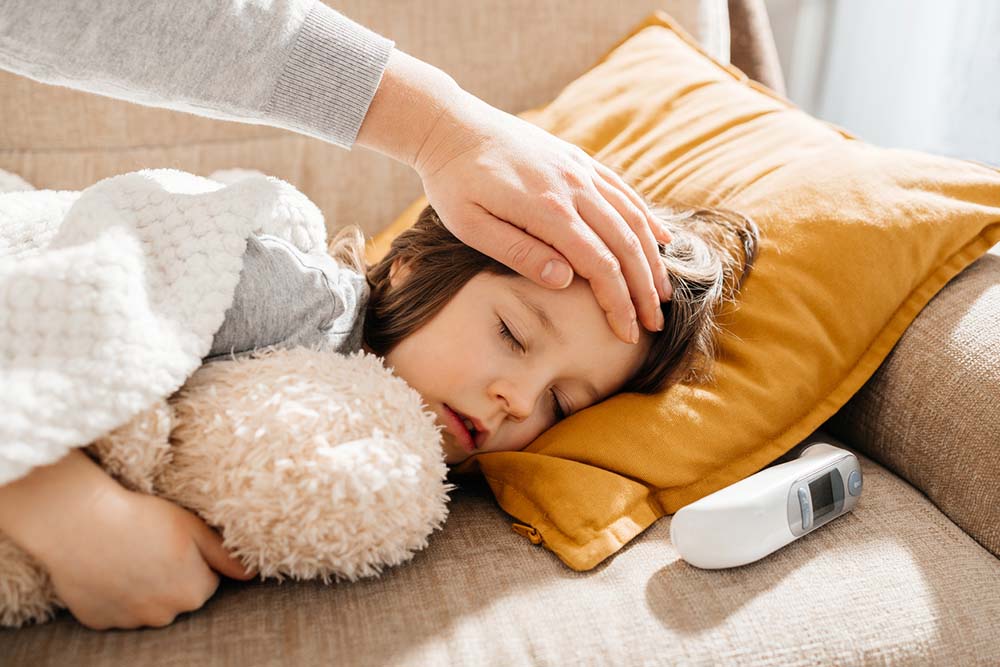
As a parent, few things trigger anxiety quite like discovering your child has a fever. That warm forehead sends your mind racing through worst-case scenarios, and suddenly you’re questioning whether it’s time to rush to the emergency room or if you’re overreacting to a simple case of the flu. The truth is, most childhood fevers are actually your child’s immune system doing exactly what it’s supposed to do.
Understanding What Fever Really Means
A fever isn’t an illness itself. In fact, it’s your body’s natural response to fighting off infection. When your child’s temperature rises above 100.4°F (38°C), it means their immune system has detected something foreign and is creating an environment where viruses and bacteria struggle to survive. In most cases, this is actually a good sign that your child’s body is working properly.
Normal body temperature can vary throughout the day, typically ranging from 97°F to 100°F. Factors like activity level, time of day, recent eating or drinking, and even the method of taking temperature can all influence the reading.
When Fever Is Usually Not Cause for Panic
Most fevers fall into the “uncomfortable but not dangerous” category. Here’s when you can typically manage fever at home with careful monitoring:
For children over 3 months old, fevers between 100.4°F and 102°F are generally manageable at home, especially when your child is still drinking fluids, has some energy during fever breaks, and doesn’t seem severely uncomfortable.
Fevers that respond well to medication are typically less concerning. If your child’s fever comes down with appropriate doses of acetaminophen or ibuprofen and they perk up, this suggests their body is handling the infection well.
Common cold and flu symptoms often accompany benign fevers. If your child has a runny nose, mild cough, or typical viral symptoms along with fever, and they’re still somewhat active and drinking, you’re likely dealing with a routine childhood illness.
Red Flag Symptoms: When to Seek Immediate Care
Certain situations require prompt medical attention, regardless of the fever’s height:
Age matters significantly. Any fever in babies under 3 months old needs immediate medical evaluation. Their immune systems are still developing, and what seems like a simple fever could indicate a serious infection.
Behavioral changes are key warning signs. If your child is unusually lethargic, difficult to wake, inconsolable, or seems confused, don’t wait. These symptoms can indicate more serious conditions regardless of temperature.
Breathing difficulties should never be ignored. If your child is working hard to breathe, breathing rapidly, or making unusual sounds when breathing, seek care immediately.
Signs of dehydration include refusing all fluids for several hours, no wet diapers for 6-8 hours in babies, dry mouth, no tears when crying, or extreme lethargy.
High fevers of 104°F or higher in children, or any fever lasting more than 3-4 days, warrant medical evaluation.
Temperature-Taking Tips for Accurate Readings
The method you use to check temperature matters. Rectal temperatures are most accurate for babies under 3 years old, while older children can use oral or ear thermometers reliably. Forehead strips and feeling with your hand give rough estimates but aren’t precise enough for medical decisions.
Take temperature when your child seems warmest, but avoid checking right after they’ve been bundled up, had a warm bath, or been very active, as these can artificially raise readings.
Home Care Strategies That Actually Help
When managing fever at home, focus on comfort rather than eliminating every degree. Dress your child in light, breathable clothing and keep the room comfortably cool. Encourage frequent small sips of fluids—water, diluted juice, or popsicles all count.
Fever-reducing medications like acetaminophen or ibuprofen can help your child feel more comfortable, but follow dosing instructions carefully based on weight, not age. Remember, the goal isn’t to bring temperature back to completely normal, but to help your child feel better.
Rest is crucial. Let your child sleep as much as they need, and don’t worry if they’re not eating much. Staying hydrated is more important than eating during fever.
Trust Your Parental Instincts
Perhaps most importantly, trust your instincts as a parent. You know your child better than anyone. If something seems “off” beyond just the fever—if your usually energetic toddler is unusually quiet, or your chatty preschooler won’t engage—don’t hesitate to call your pediatrician.
Many parents worry about “bothering” their doctor with questions about fever, but pediatric practices expect these calls. Most have nurse lines specifically for these concerns, and they’d rather help you manage at home safely than have you worry unnecessarily or wait too long to seek care when needed.
Moral of the Story? Be Observant and You’ll Be Fine
Most childhood fevers are temporary, manageable, and actually beneficial for fighting off common infections. Know what to watch for and when to seek help. You can provide appropriate care while avoiding unnecessary anxiety. Remember, fever itself rarely causes harm—it’s the underlying illness and your child’s overall condition that matter most.
When in doubt, a quick call to your child’s healthcare provider or pediatrician can provide the reassurance and guidance you need to navigate those feverish days stress-free.


 Patient Paperwork
 Patient Portal
 Pay Your Bill
